Computer Science & Software Engineering
Course Progress
0/0
Code Runner - Examples
Objectives in Technical Learning
Code Runner - JavaScript
Lesson Planning
Variables
Strings
Classes and Methods
Mathematical Expressions
Booleans
JSON and JavaScript Objects
Nested Conditionals
Iterations
Data Abstraction!
Arrays
Conditionals
Functions
Teaching Weeks Issue
Likert Review
Sprint 4 - CSSE Objectives
OCS GameEngine Guide
Variables and HTML DOM
GameEngine Essentials Guide
Characters
Backgrounds
Enemy Death
Enemy Collision
DOM Updates
Objects, Instance Data
Game API
Randomized Dialogues
Local Storage in JS
Gravity
Blocks
Transitions Screens
Single Responsibility Principle (SRP)
Finite State Programming
GameEngine Essentials Summative Assessment
Game-in-game
Implementing Enemies
Web APIs and Local Storage Documentation
API's and how they are used
Game Over | Transitions | Leaderboard
Local Storage
Player | Animation | Collision
Backgrounds | Theme | Messages
Enemies | Collision
Platform | Elevated
Sprint 5 - CSSE Objectives
Game Help - Platformer
OOP, Multiplayer
Sprint 4 - CSSE Objectives
2 min read
Ready to Level Up Your Coding Skills?
Welcome to your next coding adventure! Before you begin, review the required development tools and background knowledge. Use the links provided to ensure you’re set up for success.
Learning Objectives
- Understand the basics of object-oriented programming and game mechanics.
- Collaborate effectively within a development team.
- Apply agile and scrum practices to manage your project.
- Design, develop, and extend game levels using the OCS GameEngine.
- Reflect on your progress through formative and summative reviews.
Team Dynamics
Collaboration Goals: In teams of 3–4, you’ll work on a GitHub collaborative game project
Establish Your Story
Creative Goals: Build the narrative and game conclusion as a Agile/Scrum team
Technical Challenges
Coding Goals: Learn OOP by improving game mechanics and levels as you work in small coding groups
Sharing Accomplishments
Assessment Goals: Permform weekly formative and end of sprint summative reviews on game play and code
Sprint Guide
- Form Your Team: Teams will be created using personas to ensure diverse skills and perspectives.
- Pick a Game: Choose from the game options below to serve as your project foundation.
- Ideate on Game's Purpose: Carefully read through the sprint requirements, create your own ideas, and define your game's purpose.
- Create Issues and Kanban: Using Game's Purpose and Ideation create team and small group issues to capture requirements and assigning tasks.
- Plan Your UI and Assets: Use GameBuilder to design your user interface, assets, and initial levels of the game.
- Start Coding: Begin working in pairs or small groups to add or extend game levels. Create and attend tech talks for guidance and inspiration.
- Prepare for Reviews: Start iterative process by preparing for live reviews, including weekly formative checkpoints and a final summative sprint retrospective.
- Commit, Integrate, Test: Commit daily, integrate before each live review, and test prior to each live review.
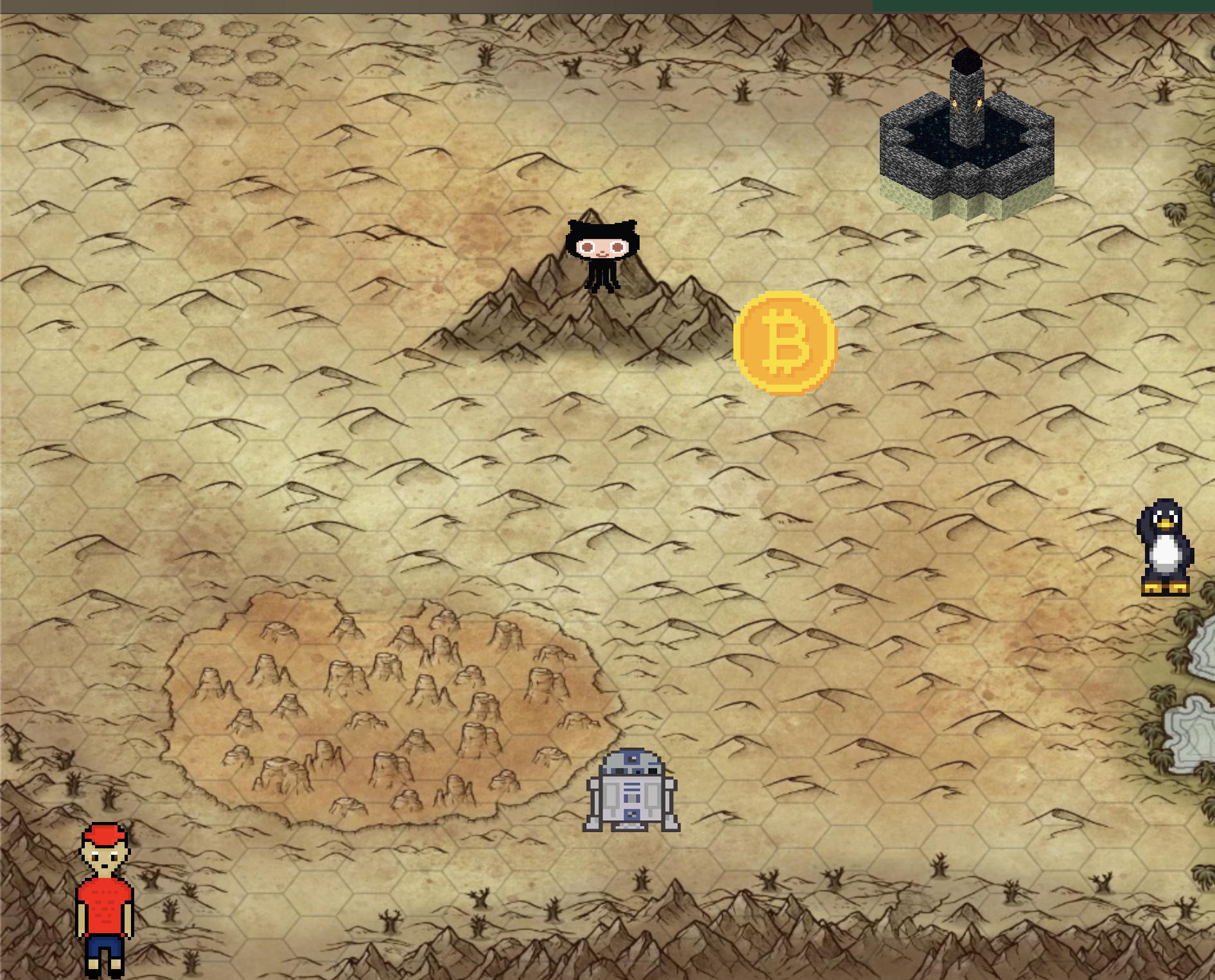
Adventure
Beginner
▶
GameEngine V1 Collection
Student Community
This page contains example games and levels.
What You'll Learn:
Background, Players, and NPCs
Interact function
Reaction function

Finance
Intermediate
▶
Fortune Finders Gamification
Student Community
This page contains games developed for finance simulations.
What You'll Learn:
Interactive NPC conversations
CS knowledge questions
Virtual currency system
Action
Advanced
▶
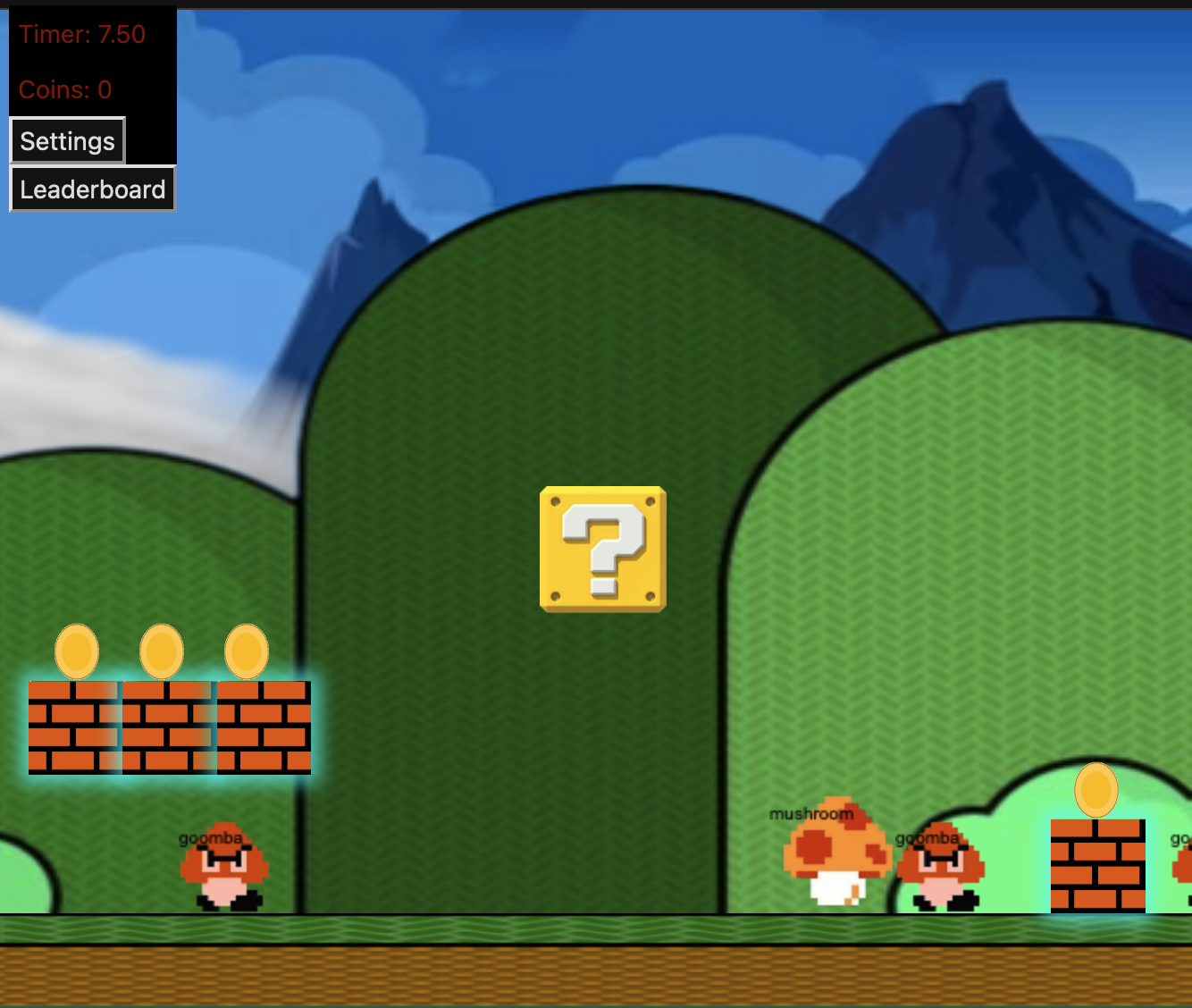
Platformer Game Engine
Student Community
Using an GameEngine V1 predecessor, students will learn game development concepts through a classic Mario-style platformer game.
What You'll Learn:
Game physics simulation
Collision detection algorithms
Sprite animation techniques
Adventure
Beginner
▶
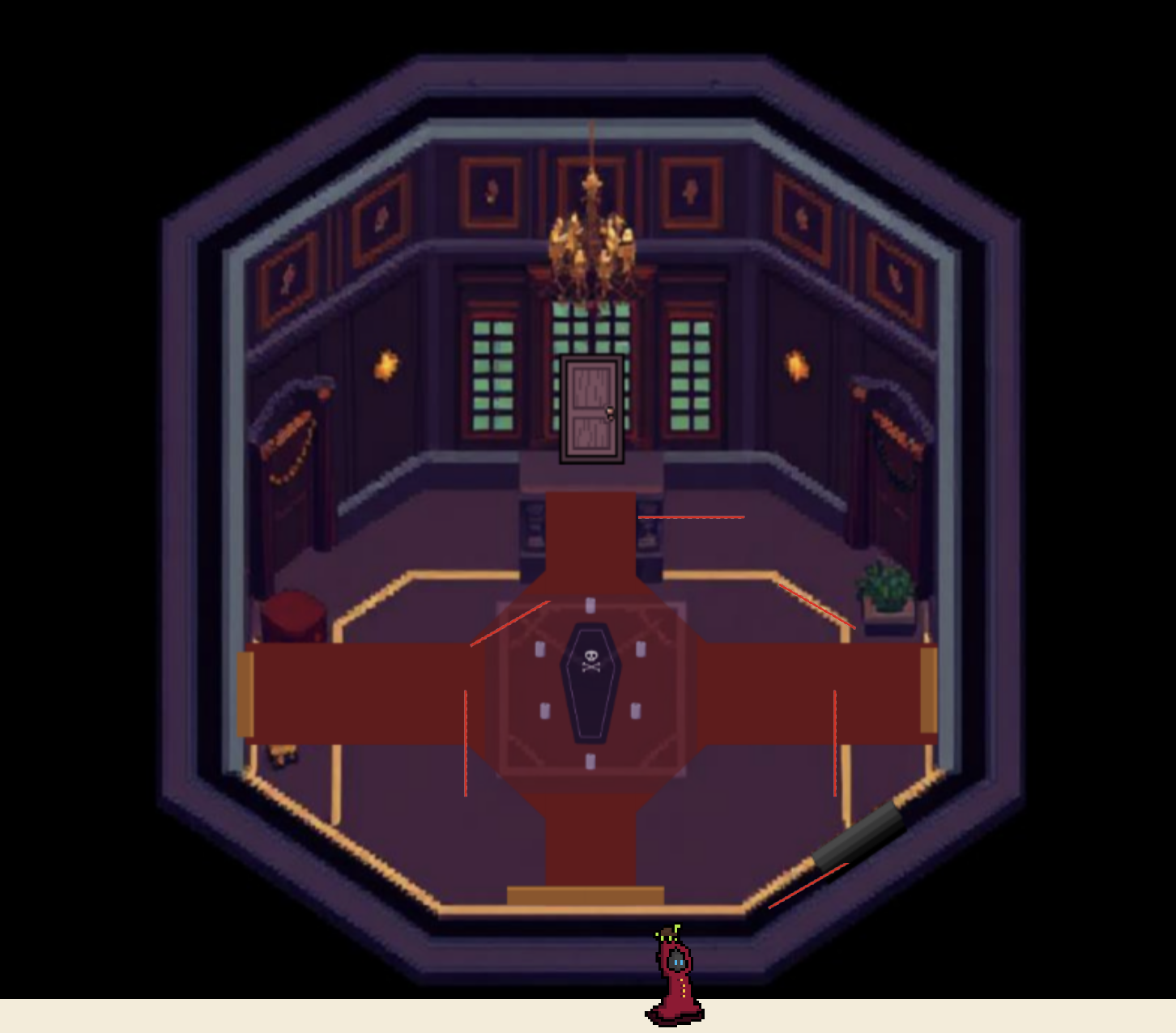
Mansion Game
Student Community
A text-based adventure game set in a mysterious mansion, where players solve puzzles and uncover secrets.
What You'll Learn:
Text-based adventure mechanics
Puzzle design
Storytelling and narrative
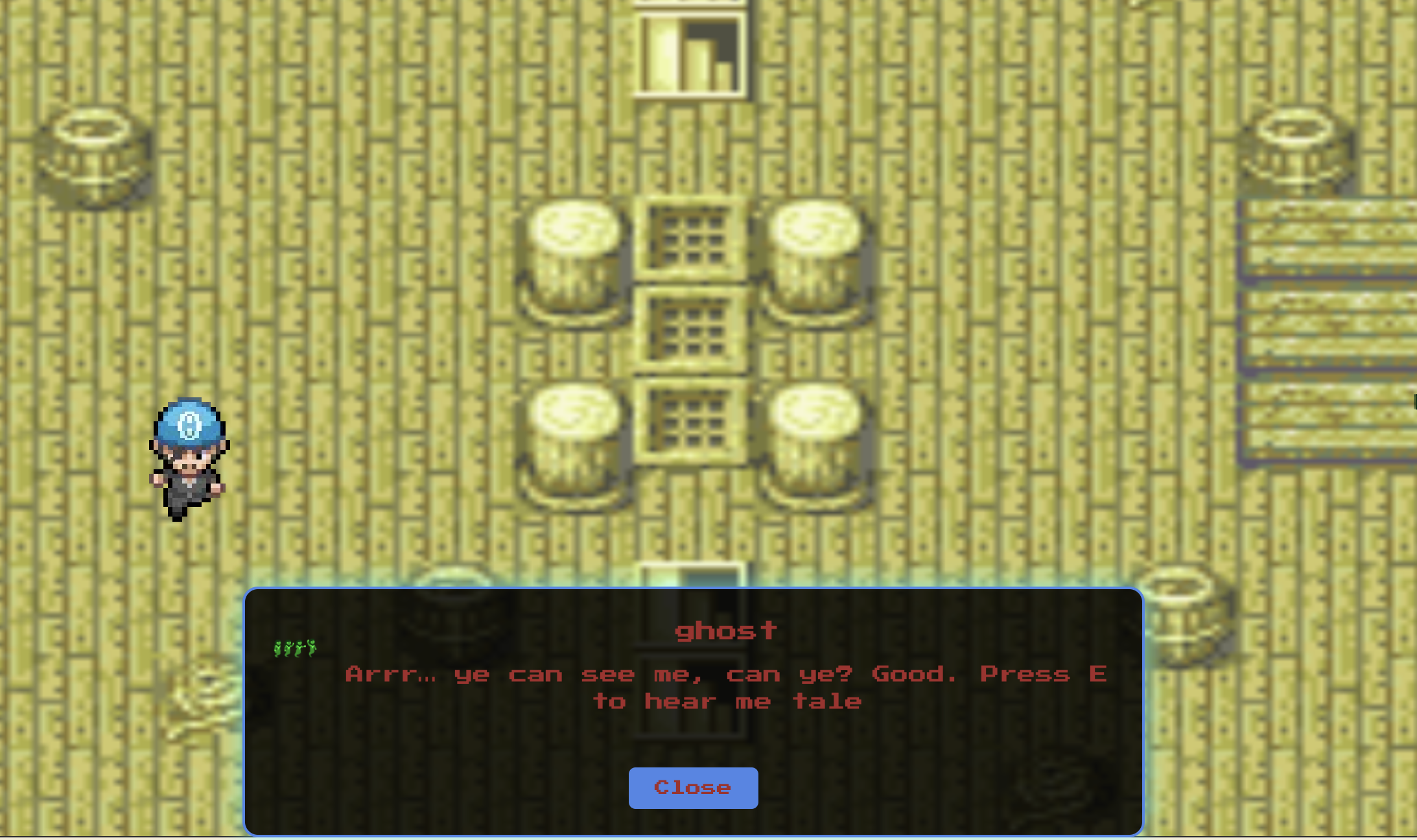
Adventure
Intermediate
▶
Murder Mystery Game
Student Community
A murder mystery game where players gather clues, interrogate suspects, and solve the crime.
What You'll Learn:
Investigation mechanics
Clue collection
Interrogation techniques